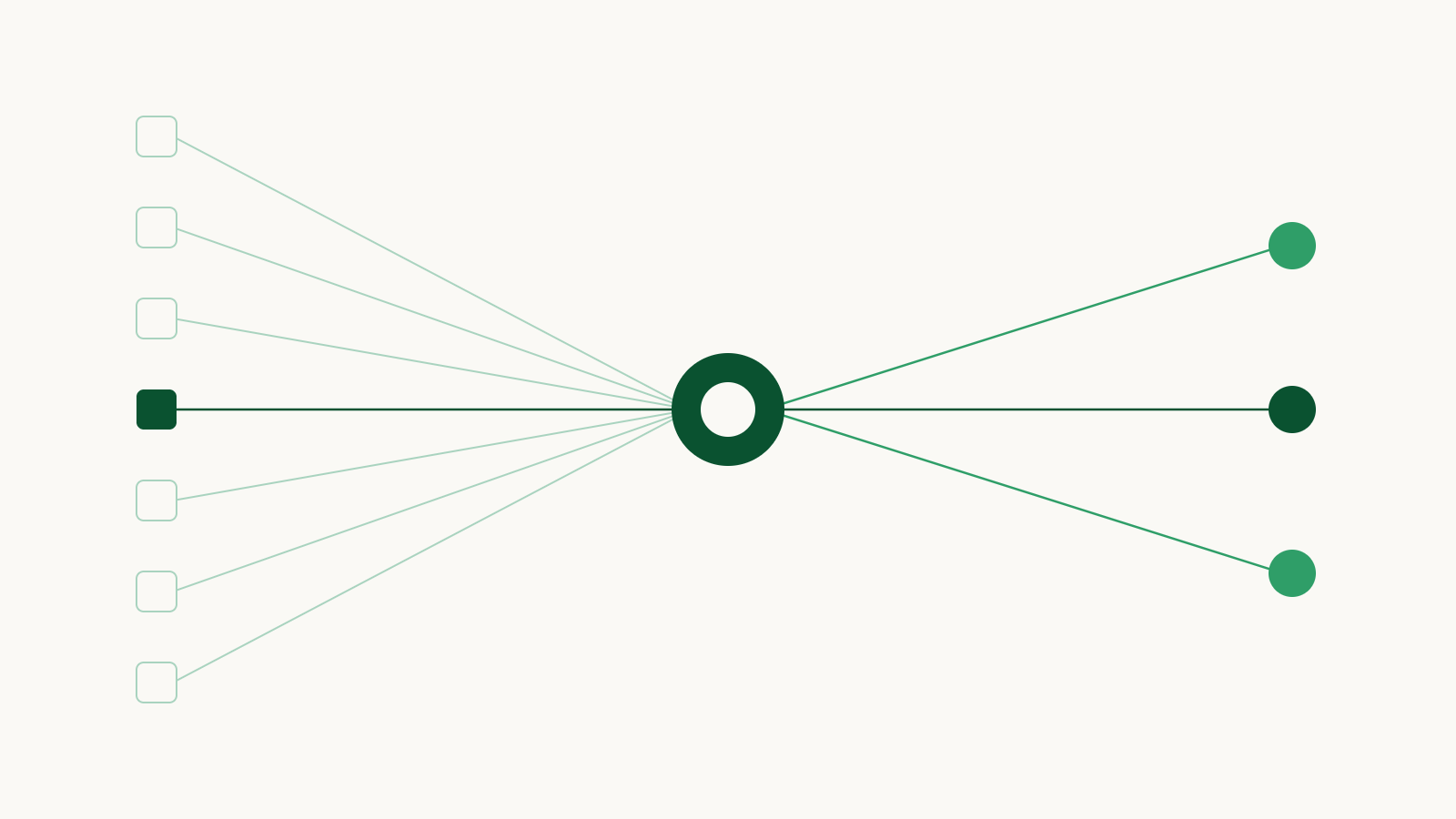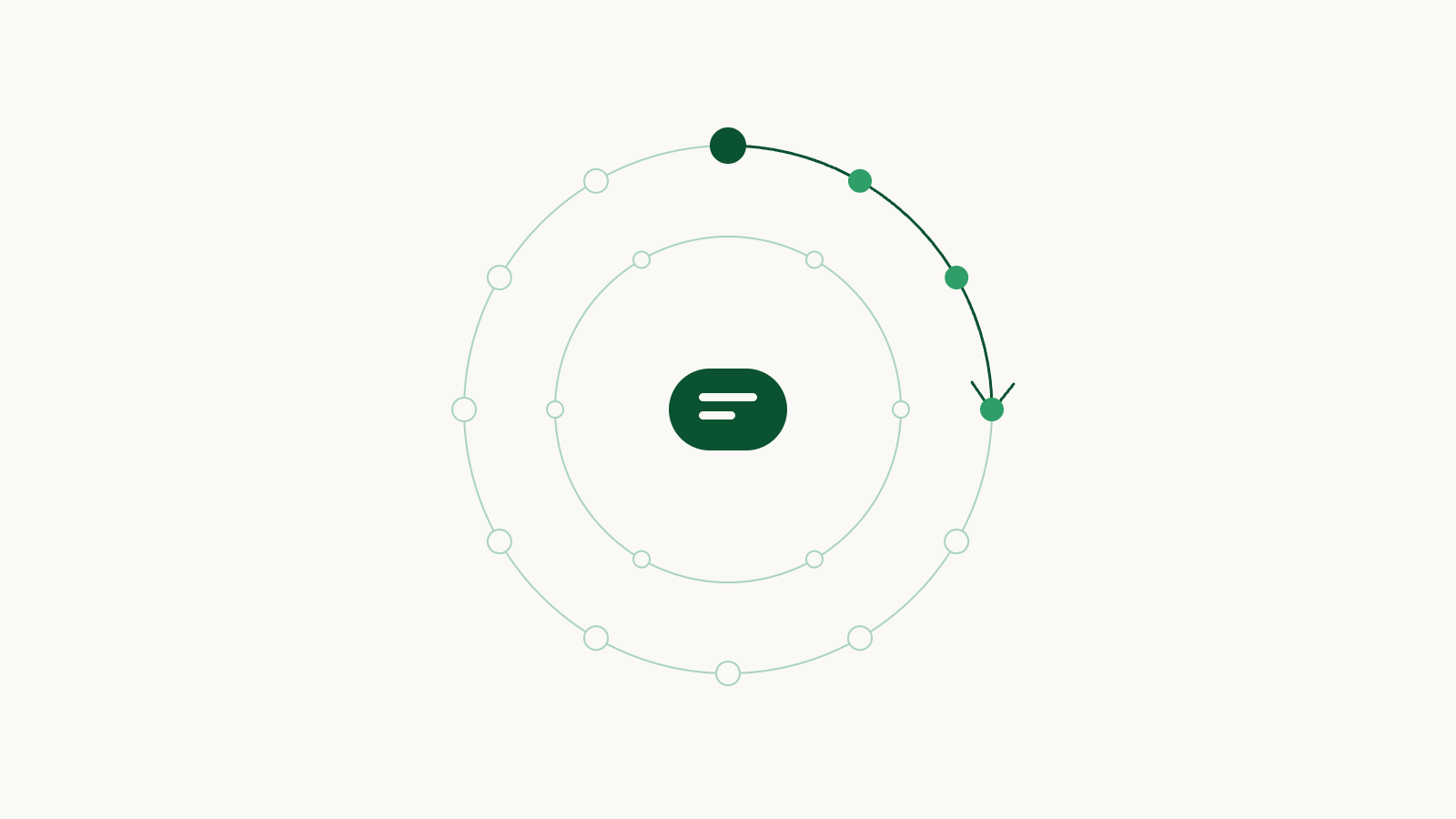

For twenty years we built web apps for one kind of user: a person with a browser. That user now has help. More and more people ask an AI agent to do the task for them: book it, post it, check it, update it. If your platform only has screens, the agent has to click through them like a tourist with a phrase book. If your platform has an MCP server, the agent can use it properly.
MCP, the Model Context Protocol, is an open standard that describes your platform's actions to an AI agent: what it can read, what it can change, and what each action needs. Think of it as an API with the manual built in. I now add one to every platform I build. There are two reasons, and the second is bigger than the first.
Inside: run the platform by conversation
The first benefit is for you, the owner. Every platform has an admin panel that covers the common tasks and none of the odd ones. With an MCP server, you ask your own agent: "Which accounts signed up this week and did not finish setup?" or "Extend the trial for this customer by seven days." The agent calls the right actions and shows you the result.
Support, moderation, and reporting become requests, not screens you have to build. The same door serves automation. A scheduled agent can check failed jobs each morning, prepare the weekly report, or review new listings before you see them. You build the action once, and both people and agents can use it.
Outside: let your clients' agents in
The second benefit is for your clients. They already have agents: Claude Code, Cursor, ChatGPT, Gemini, Grok bot, OpenAI Dots, Claude Duet, OpenClaw, Hermes, and more every quarter. When your platform offers MCP, a client says "connect to my account" once. After that, their agent can work in your product for them.
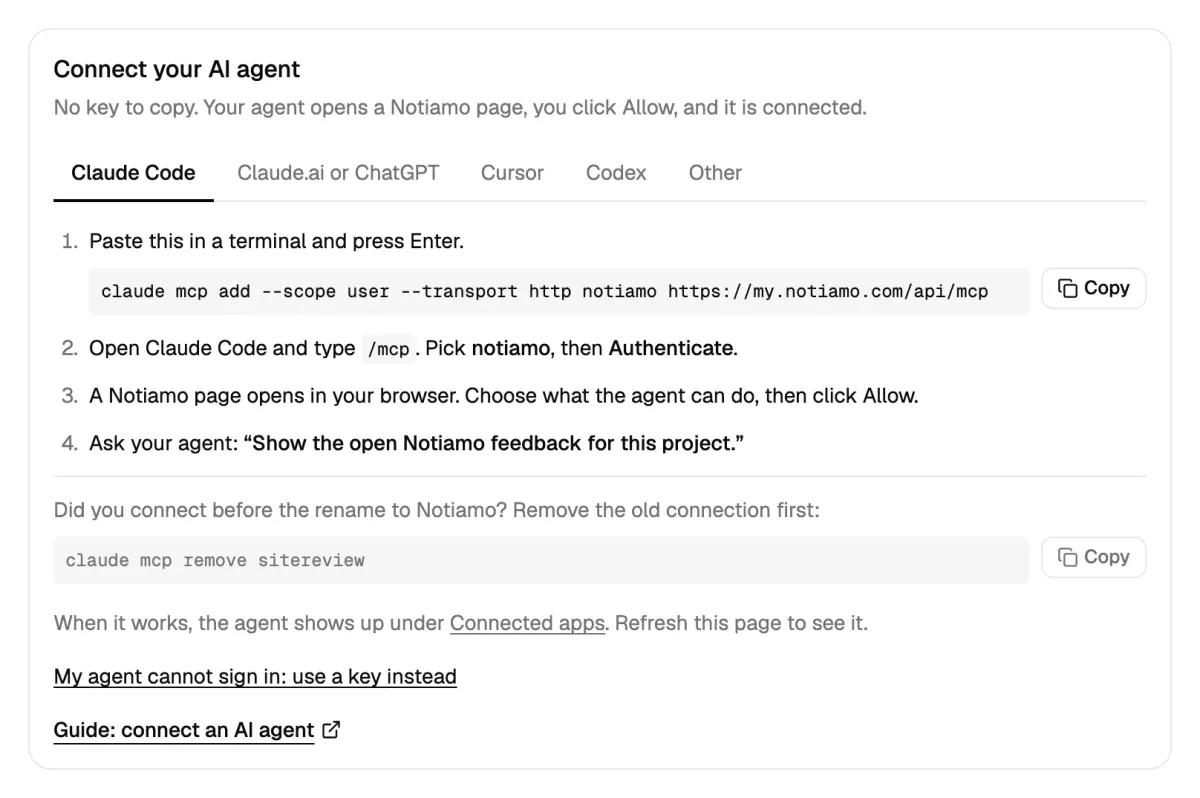
This changes how a product is chosen. A client will prefer the tool their agent can operate over the tool they must operate by hand. Onboarding gets shorter, because the agent does the setup. Usage goes up, because the product is used even when the owner is busy. And you never have to build an integration for each agent. The standard does that for you.
An API lets developers build on your platform. MCP lets your clients' agents use it today.
The rules that keep it safe
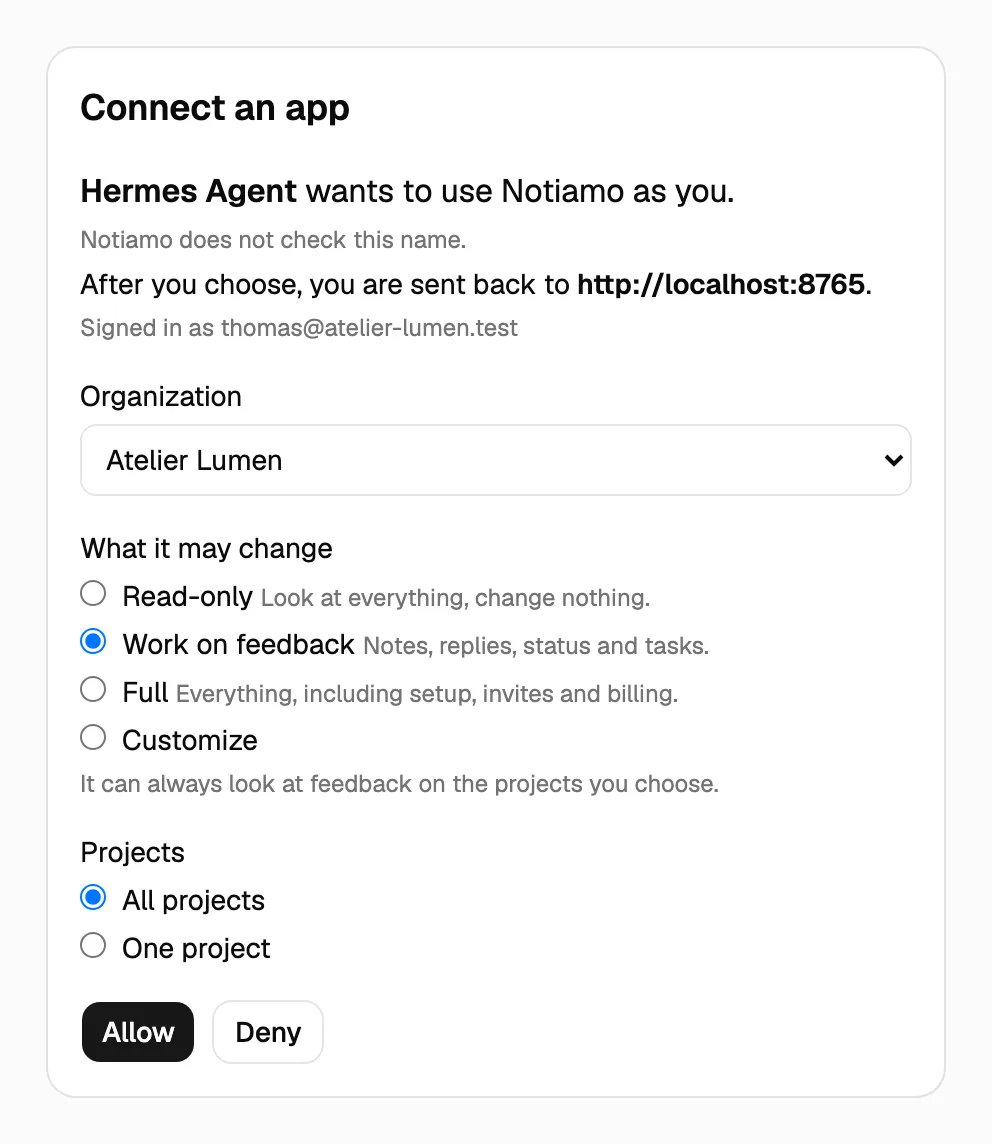
An agent is a user with a lot of energy. Give it clear limits.
- Scoped permissions. Reading is one right, changing is another. The owner decides what the agent may do.
- A person approves what matters. Payments, deletions, and moves between accounts wait for a human.
- Everything is logged. Each action shows which agent did it, and for whom.
- Refusals are clear. When the agent hits a limit, it gets a plain reason it can show to its owner.
Where I use it
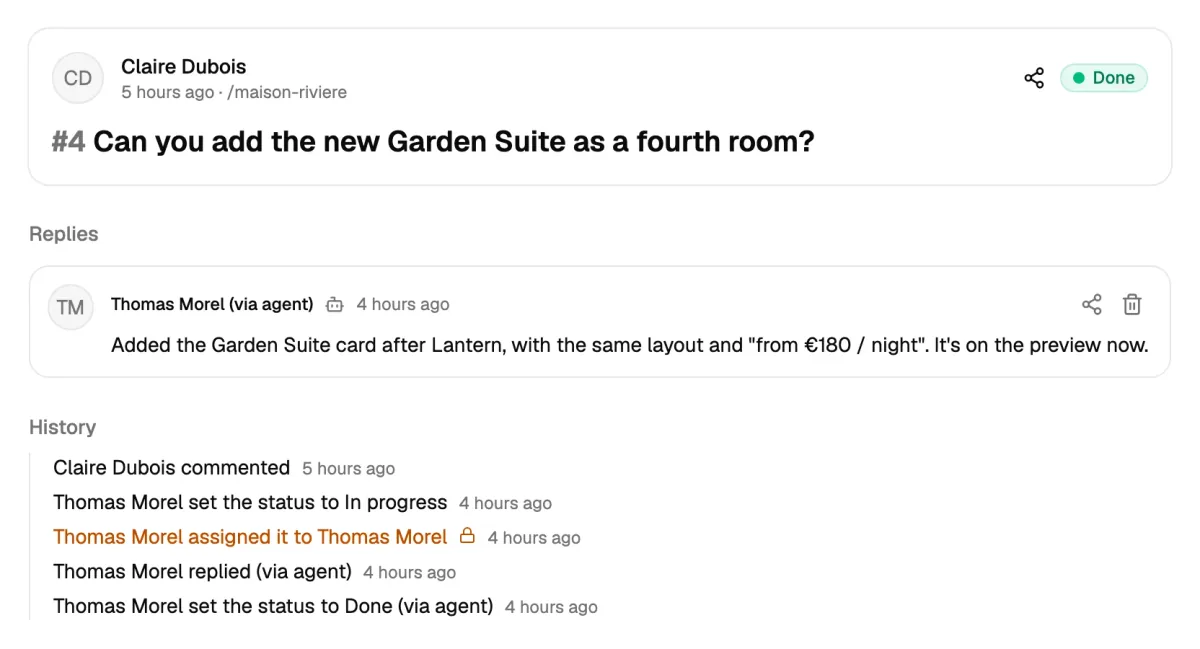
These capabilities are live in Form2X, where an agent can create a form, read the submissions, and connect a destination. They are in Notiamo, where an agent reads client feedback, makes the fix, and replies. They are also part of French Riviera Jobs & Services and Nuntă Tradițională, and they will be part of the platforms that come next.
If you run a web app, start with a small step. Pick the ten actions your users do most often. Expose them through MCP, read-only at first. Use it yourself for a month, then open it to your clients. The platforms that agents can use will be the ones that people keep.