WordPress made it possible for anyone to publish a website. It also made every website a small application: a database, a PHP runtime, a theme, and twenty plugins that all need updates. For most business sites, that is a lot of moving parts to serve pages that change twice a month.
Astro takes the opposite view. It builds the pages once and serves plain files. With AI agents now able to do most of the conversion work, the move is realistic for a small team.
WordPress did get one thing right: the site is yours. A move to Astro keeps that. The owner is still the full owner of the site, with full access to the source code. Closed platforms such as Webflow or Wix do not give you that.
The move is not free, though. I have made it on several sites. Here is the honest picture.
The hard parts
The pages are the easy part. The difficulty hides in everything the page builder and the plugins did without telling you.
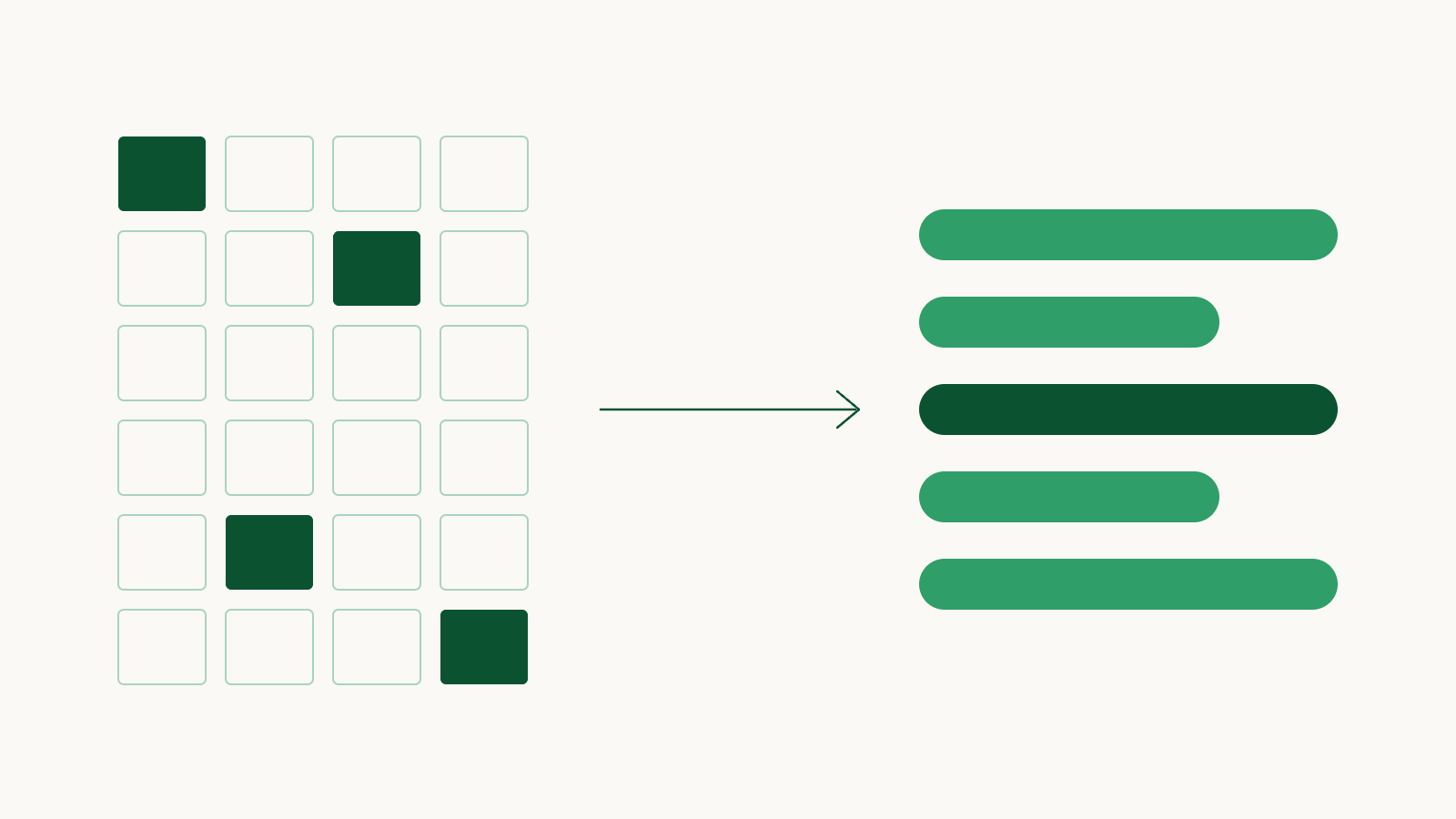
- Page builder markup. Elementor, Divi, and similar tools produce deep, tangled HTML. You do not convert it. You rebuild each layout as a clean component.
- URLs and SEO. Every old address needs the same address or a redirect. Titles, descriptions, structured data, and the sitemap all came from a plugin. Now you own them.
- Languages. A multilingual plugin linked the translations for you. On a static site, you write the routes and the language links yourself.
- Forms. There is no server to receive a form. This is the first thing that breaks.
- Client edits. There is no login where the client can fix a typo.
What you gain
Speed, first. Plain files from a CDN load in a fraction of the time, with no cache plugin to tune. Security, second. There is no login page, no database, and no plugin to exploit, so the weekly patch routine disappears. Hosting costs drop to almost nothing. The whole site lives in Git, so every change has a history and can be undone.
The last gain is the one that matters most this year: an AI agent can read and change the entire site, because the entire site is code.
What you lose
You lose the admin panel. The client can no longer log in and change a sentence. You lose the plugin market, where a feature was one click away. Each change is now a small development task with a build and a deploy. If the site has dozens of authors who publish every day, stay on WordPress or add a headless CMS. Astro suits sites that change by request, not by the hour.
A static site removes the backend. The work the backend did has to go somewhere.
Filling the two gaps
Two of those losses stop most migrations: forms and client edits. I built a product for each.
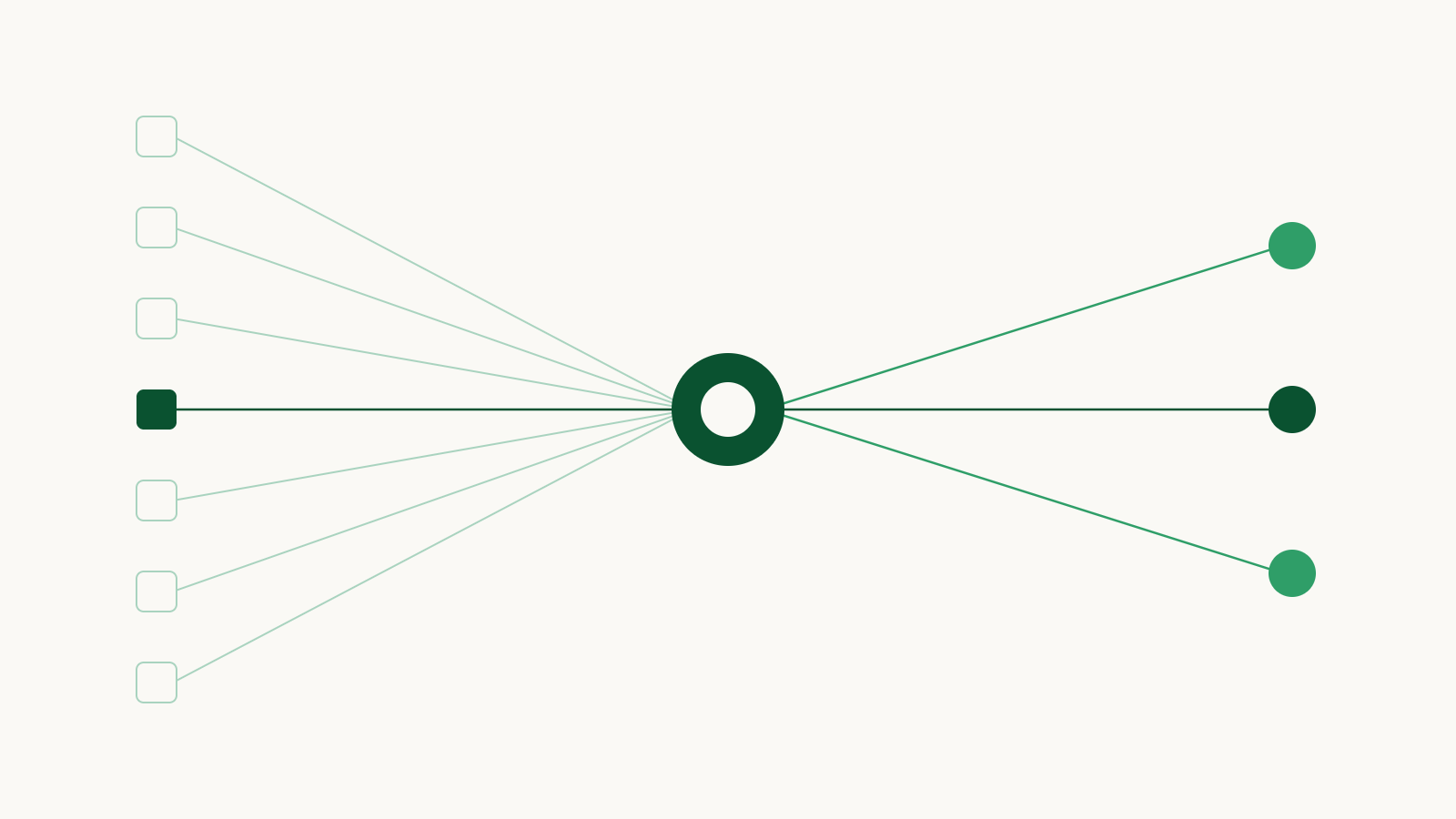
Form2X replaces the form plugin. A standard HTML form points to a Form2X address. Form2X receives the submission, filters the spam, and sends the clean data to email, Slack, or a webhook. No JavaScript is needed and nothing runs on your side. The same backend also works on WordPress, so you can switch the forms first and move the site later.
Notiamo replaces the admin panel. The client opens the live site, clicks the exact spot, and writes what they want changed. Notiamo keeps the page, the element, the screen size, and a screenshot together. A developer or an AI agent connected through MCP reads the comment, makes the change in the code, and marks it done. The client still gets their edit. They just do not need a login to a CMS to get it.
Notiamo also helps during the migration itself. Put the new site on a staging address, let the client compare it with the old one, and collect every difference as a pinned comment.
How I would do it
Start with a full inventory: every URL, every form, every redirect, every tracking script. Move the forms to Form2X while the site is still on WordPress. Rebuild the layouts as components, review on staging with Notiamo, then switch the DNS. Keep the old site reachable for a month. The boring list at the start is what makes the launch day quiet.
This site is an example. It ran on WordPress before, and it now runs on Astro. In the last couple of months, we have moved more than 50 other business websites the same way.